Information Security Awareness

Instructor
admin
0
0 reviews
  • Description
  • Course
  • FAQ
  • Notice
  • Reviews
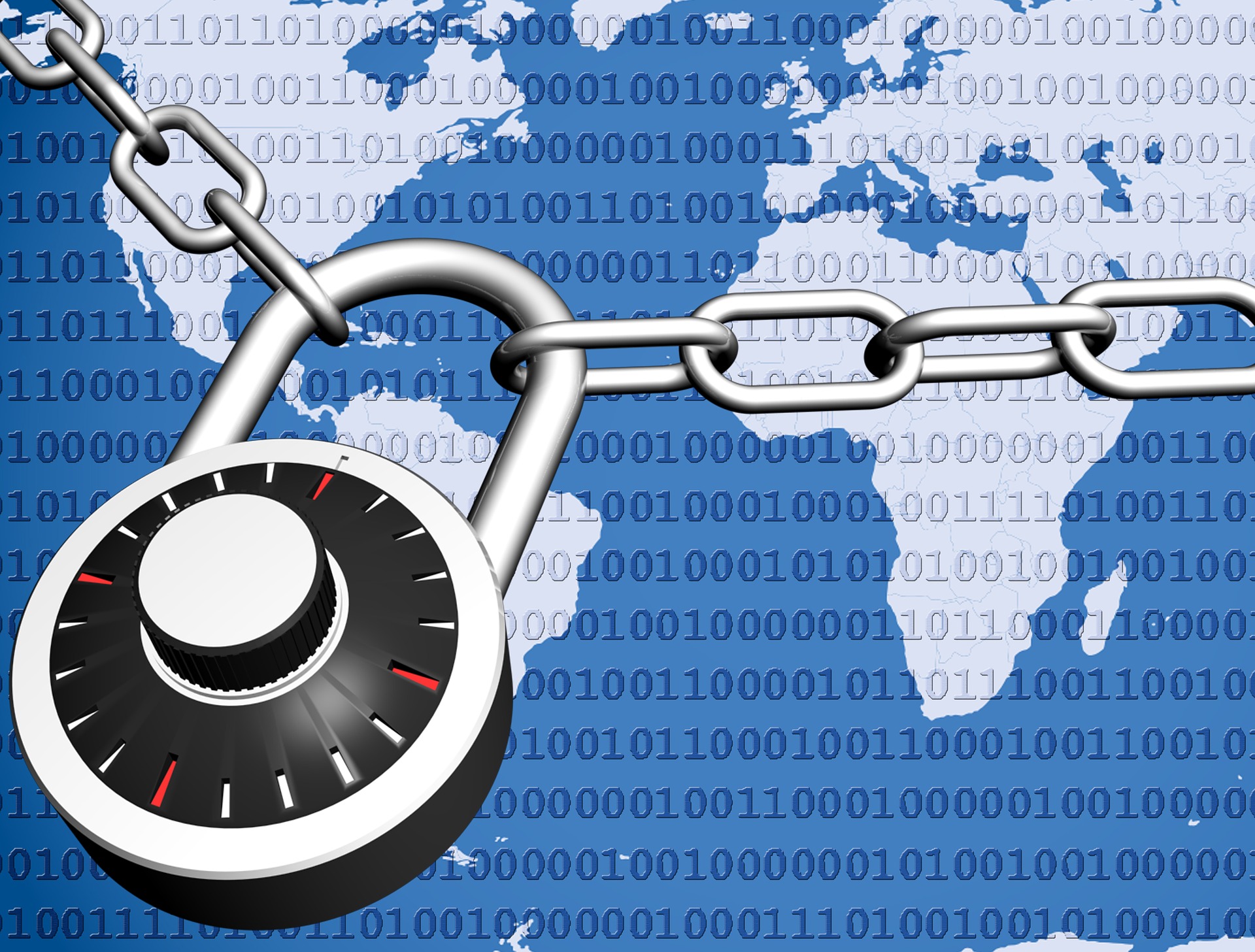
internet-1676139_1920

This learning module discusses Information security awareness.

Information security awareness refers to the protection of information and information systems from unauthorized access, use, disclosure, disruption, modification, or destruction. This includes protecting the confidentiality, integrity, and availability of information and information systems, implementing strong password policies, encrypting sensitive data, and regularly backing up important files.

Information security awareness requires employers to implement policies and procedures to address information security to protect their own sensitive information and that of their customers, clients, and employees. Common protective measures include:

  • Enforcing a requirement for employees to use strong passwords and change them within stipulated periods, and limiting access to sensitive information to only those who need it for their job duties.
  • Ensuring that employees are aware of the importance of protecting sensitive information, particularly confidential information online, and are trained on how to do so. This typically includes training on topics such as password security, identifying and avoiding phishing scams, and the proper handling of sensitive data.

Information security training is an important part of any employer’s efforts to maintain the security of information and should  be provided to all employees, or may be targeted to specific employees who handle sensitive information as part of their job duties.

By providing employees with the knowledge and tools they need to protect sensitive information, employers can help to prevent data breaches and other security incidents.

Key Themes

There are several key themes you need to know about information security awareness:

  1. Risk and Threat Awareness: Employees should be aware of the risks and threats to information security, including phishing, malware, social engineering, and physical security breaches.
  2. Security Policies and Procedures: Organizations should have clear security policies and procedures in place that outline the appropriate use of technology and the handling of sensitive data.
  3. Password Management: Employees should be trained on how to create strong passwords, how to store and manage them securely, and the importance of not sharing passwords with others.
  4. Email and Internet Usage: Employees should be educated on safe email and internet usage, including avoiding clicking on suspicious links, downloading malicious attachments, and visiting untrusted websites.
  5. Data Protection: Employees should understand how to protect sensitive data, including encrypting data in transit and at rest, and how to report incidents of data loss or theft.
  6. Incident Response: Employees should be trained on how to report security incidents, who to contact in the event of a breach, and how to cooperate with incident response teams to mitigate the damage of a breach.

Target audience – Who should do this course?

  • Employees – all employees including managers and contractors
  • Business Owners
  • The public at large – citizens and general members of the public
Learning Objectives
How long do I have to complete the course?
Although you should aim to complete the module in hour, you do not have to complete a module in one sitting. You can pause a module and complete it at any stage.
Do I get a Certificate of Completion?
Upon successful completion of the course and assessment, participants, will earn a certificate. Please note: this certificate is sorely to confirm that you completed the module and is not accredited.
What time of the day can I complete the course?
Participants can begin the course and complete it any time of the day, 24/7.
Do you offer technical support/help?
For technical support, participants should raise a support ticket and explain the problem they are encountering. We respond within 24 hours.
Can I provide feedback?
Participants will be requested to complete an exit interview and comment on their experience of the course.
Can I discuss what I'm learning with my fellow learners and with the course coordinator?
Participants can post queries in the forum during the duration of your enrolment, this on the provision that whatever participants discuss in the forum is on topic.
Access to course - Can I redo the module?
Participants details will remain on the system for 12 calendar months and will be purged after that.

Changes are inevitable and there are instances when updates are essential. When laws and regulations are changed or introduced, we will strive to update the content and issue an announcement here